
Impact in Action: Expanding Access to Creative Technology
How AIGI creates measurable STEM and STEAM education outcomes for students historically underrepresented in game development and creative technology careers.
What Changes Because of This Work
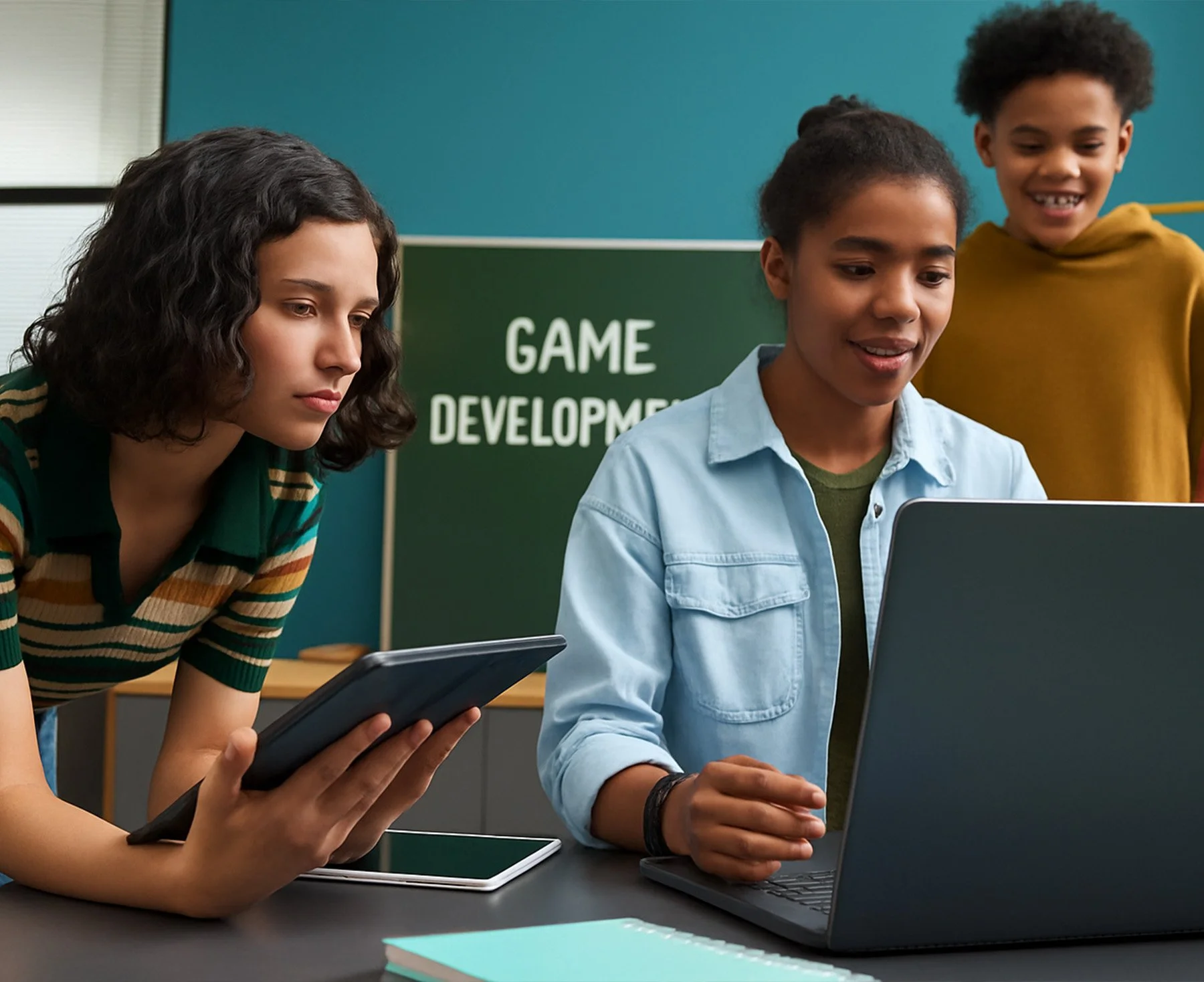
AIGI’s impact goes beyond technical instruction. When students build real games, they experience technology as something they can shape, not just consume.
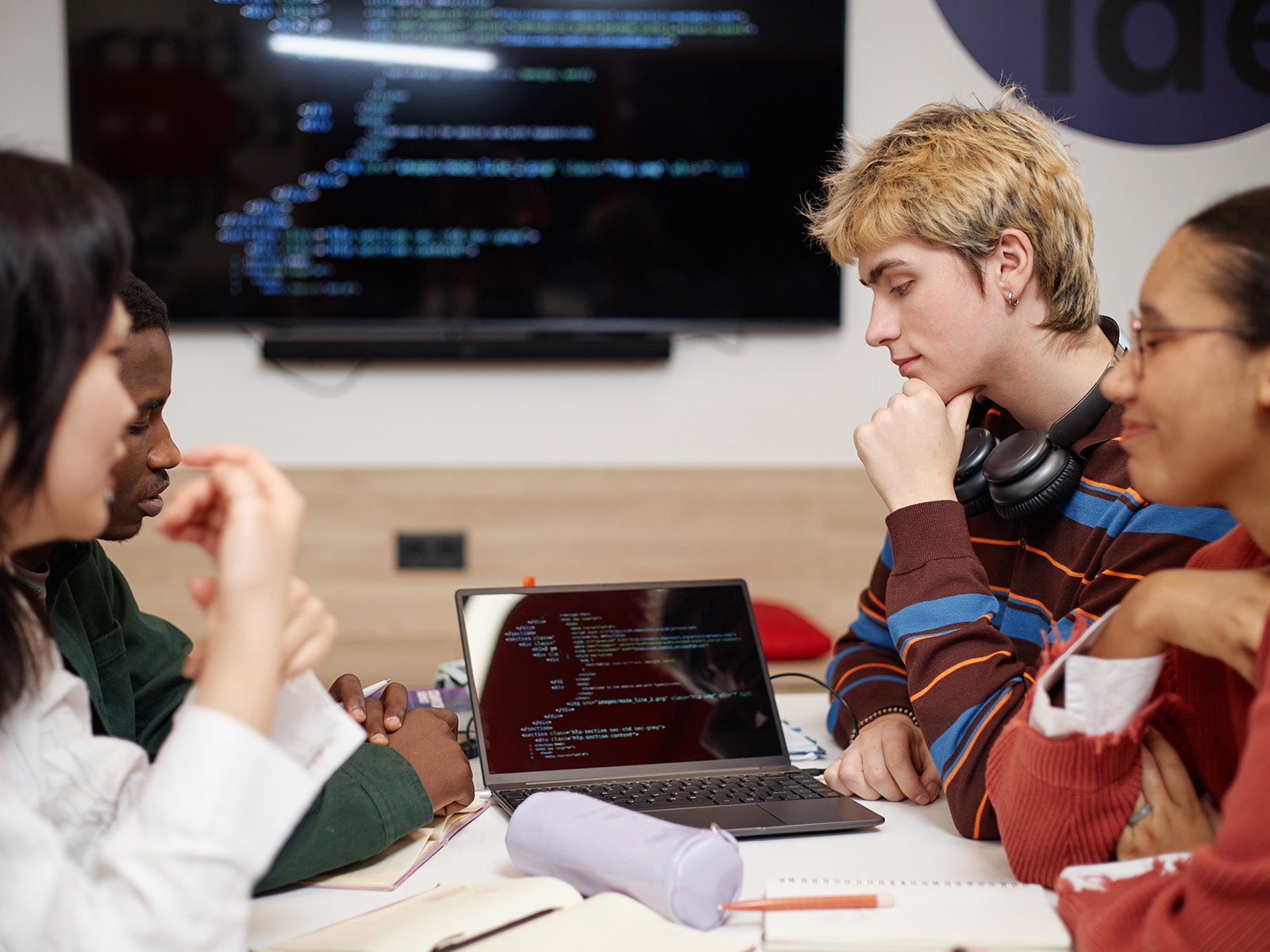
Through hands-on projects, students practice creative problem-solving, collaborate with peers, receive feedback, and create work they can share. These experiences help students build confidence, strengthen their skills, and begin to see themselves as builders, designers, programmers, storytellers, and future creative technology professionals.
Over time, expanded access to game development education can help more students explore STEM and STEAM pathways, build portfolio-ready work, and imagine futures in creative technology.
Student Growth
Confidence, portfolio-ready work, professional identity
Family & Community Perception
Visible success, viable pathways, public showcases
Industry Representation
Expanded participation and long-term opportunity growth
Beyond the Classroom

AIGI’s impact extends beyond teaching students to code or design games. When a student from a community with limited STEAM access builds their first playable prototype, they are not just learning software. They are discovering that creative technology careers are real and within reach.
When students publish projects or present polished demos, they experience the full cycle of creation from concept to completion. That process builds more than technical skill. It strengthens confidence, collaboration, and professional identity.
Students build confidence through project completion
✓
Portfolio-ready work demonstrates tangible skills
✓
Families recognize viable technology pathways
✓
Communities see visible local success
✓
Expanded participation in creative technology
✓
How Impact is Created
We expand access, guide students through real projects, and connect them with mentors so learning becomes portfolio-ready work and long-term pathways.
AIGI Theory of Change Model
Diagram showing AIGI's theory of change for expanding access to creative technology careers. Inputs begin with access to high-quality STEAM education in under-resourced communities. Students then participate in real game development projects and receive mentorship from industry professionals. These activities lead to outcomes including technical skills, collaboration ability, and professional confidence. Over time, students pursue career pathways through college, internships, and technology roles. The long-term impact is increased representation in creative technology industries and expanded economic opportunity.
Short-Term Impact (1–2 Years)
Immediate skill development, confidence growth, and visible outcomes.
Student Outcomes
Students build practical skills and confidence through real project completion.
- Hands-on experience with professional development tools
- Portfolio-ready projects that demonstrate real capability
- Increased confidence in technical and creative problem solving
- Stronger collaboration through team-based work
Family & Community Impact
Families and communities see clear evidence that creative technology pathways are possible.
- Families recognize creative technology as a viable educational pathway
- Communities see local students succeed in STEAM learning
- Schools and centers become access points for modern tools
- Showcase events build pride and visibility
Example outcome: Community demo day with students presenting completed projects
How We Track Progress
- Participation, attendance, and retention patterns
- Projects completed, presented, or published
- Student confidence and skill reflections
- Parent and guardian feedback
Medium-Term Impact (3–5 Years)
Sustained engagement, continued education, and expanding opportunity.
Student Trajectory
Alumni continue learning and begin reaching early academic and career milestones.
- Continued STEAM education or technical training
- Portfolios supporting college admission and internships
- Internships, apprenticeships, or early creative tech roles
- Expanded professional networks through mentors and showcases
Ecosystem Development
Partnerships and local delivery capacity strengthen over time.
- Expansion into communities with limited STEAM access
- Stronger education and industry partnerships
- Recurring community showcases and public visibility
- Increased institutional adoption of project-based learning models
How We Track Progress
- Continuation into advanced coursework or programs
- Internship and placement milestones
- Alumni engagement and mentorship participation
- Partner growth and program expansion indicators
Long-Term Impact (5–10 Years)
Systemic representation and sustainable opportunity.
Systemic Change
Representation increases as more learners enter and persist in creative technology careers.
- Expanded representation in game development and creative tech fields
- Alumni serving as visible role models and mentors
- Clear pathways from education to employment
- Strengthened community confidence in technology careers
Sustainable Infrastructure
A durable model supports ongoing access through partnerships and diversified funding.
- Hybrid model balancing philanthropy and earned revenue
- Published student work contributing to future access
- Long-term partnerships with schools and community organizations
- Scalable program delivery across multiple regions
How We Track Progress
- Alumni career placement and advancement data
- Longitudinal pathway tracking
- Funding sustainability indicators
- Program replication and regional expansion signals
Support Measurable STEM/STEAM Access
Your support expands access to creative technology education and unlocks long-term opportunity.
 Powered by Stripe