
After-School Game Development Studio
An after-school STEM and STEAM program where students learn game design, programming, and creative technology while building their own playable games.
Students collaborate in small studio teams to develop, test, and improve original game projects over the course of the program. projects.
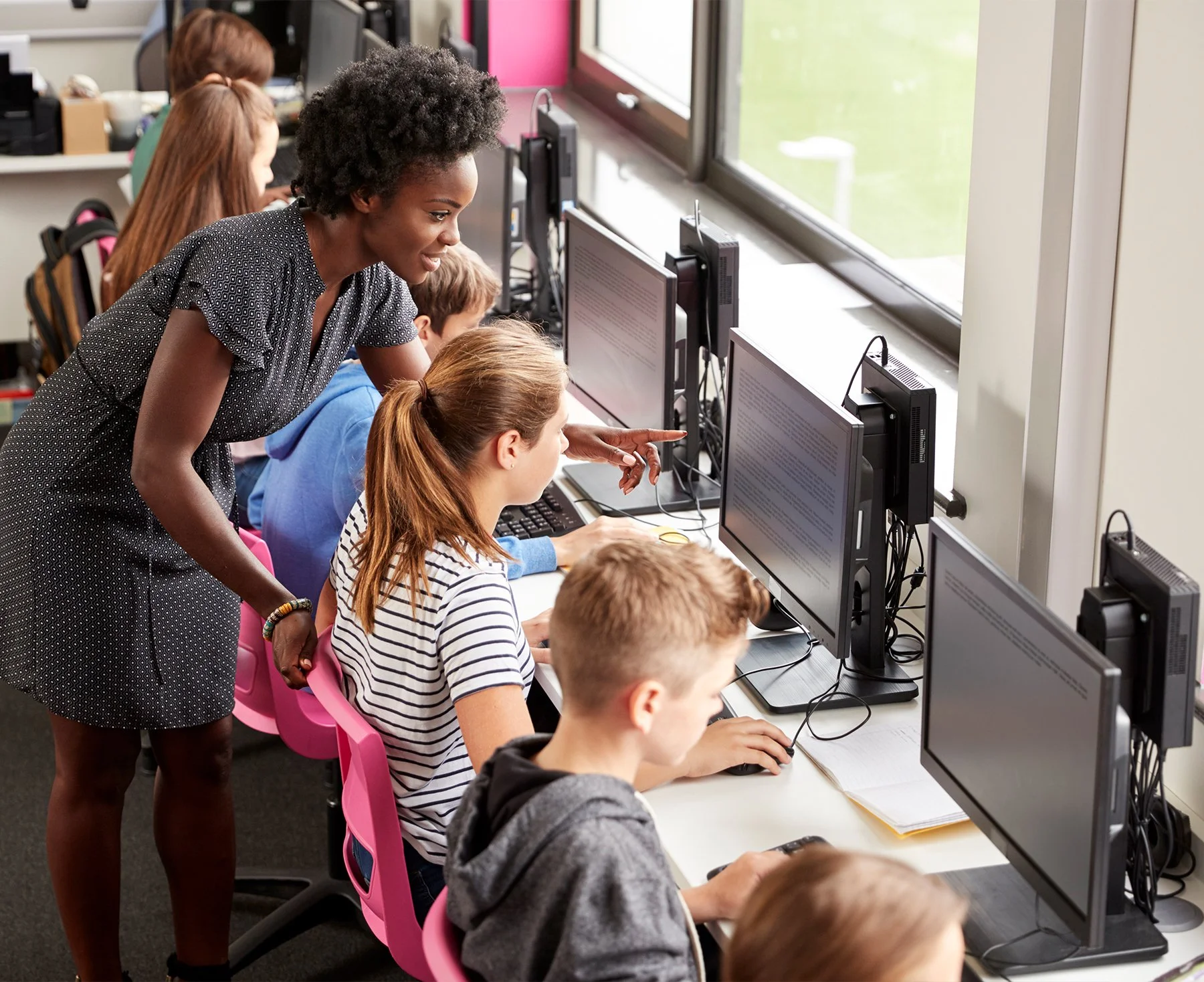
Program Overview
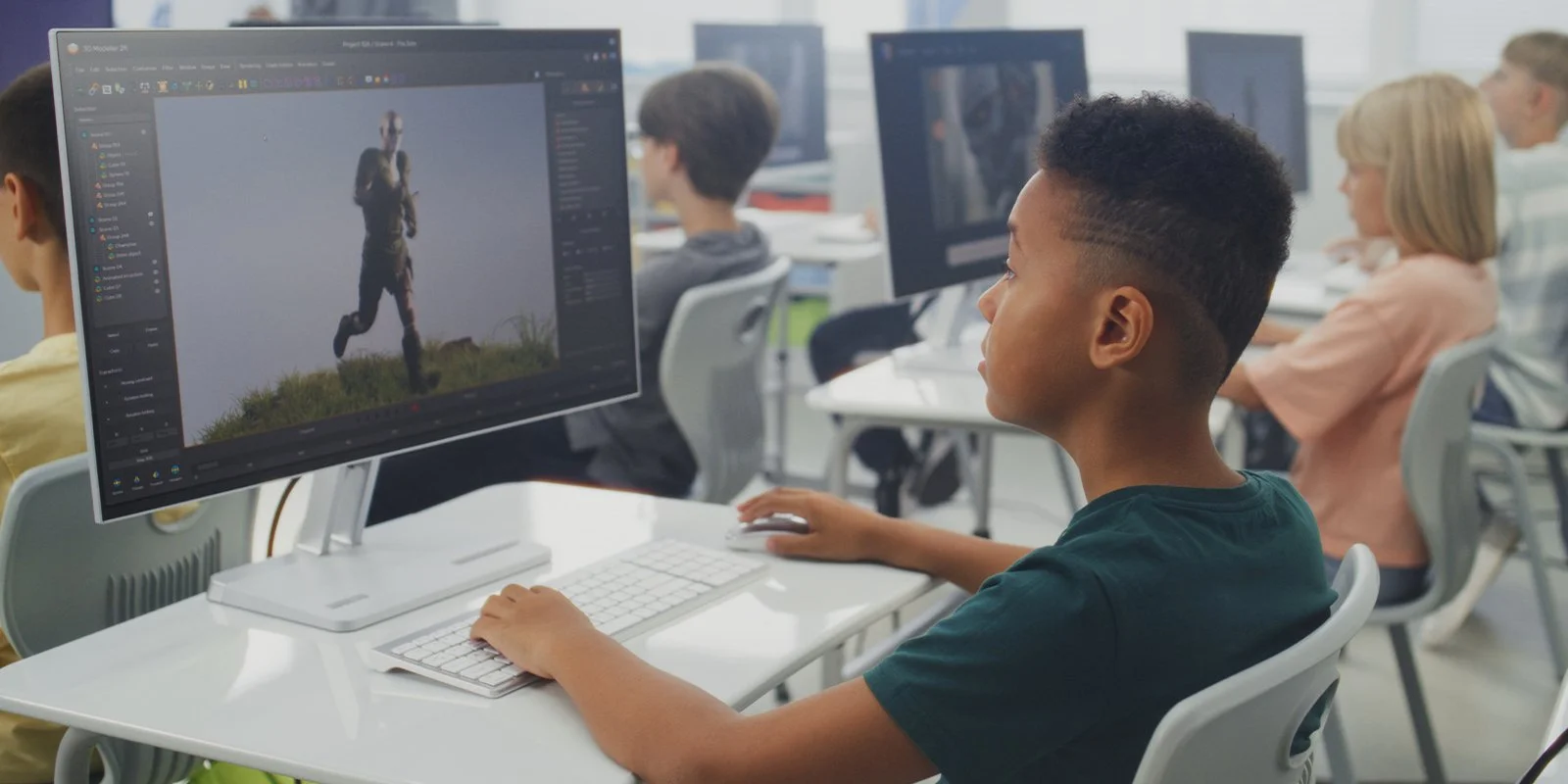
This after school STEM/STEAM program provides sustained creative technology education across a 12-week semester.
Students ages 11 to 18 work in structured teams to design, build, test, and present original game prototypes. Rather than brief exposure workshops, this model emphasizes depth, iteration, and professional workflow.
Meeting three afternoons per week, students gain hands-on experience with industry-standard tools such as Unreal Engine, Unity, and Maya while building real portfolio-ready work.
Audience
Students ages 11 to 18
Schedule
3 afternoons per week
Format
Team-based studio model
Culmination
Community demo day
Who This After School STEM/STEAM Program Serves

This program serves students seeking sustained, structured creative technology education beyond introductory exposure.
As access to advanced STEM and digital arts coursework continues to shrink in many schools, students often lack consistent opportunities to explore creative technology in depth. This semester-long after school studio provides a structured environment where learners can move beyond surface-level exposure and engage in meaningful, project-based development.
Priority enrollment for students from communities with limited access to STEAM enrichment
✓
Designed for learners ready to commit to sustained, semester-long studio work
✓
No prior coding or game development experience required
✓
Welcomes students exploring creative technology as a potential academic or career pathway
✓
How the Program Work
The program provides structured instruction and guided team collaboration over a focused two week period.
Introduction to Game Design Principles
Provides foundational understanding of what makes games engaging and meaningful, including mechanics, player experience, and interactive design choices.
Hands On Unreal Engine Instruction
Teaches professional development tools through practical application, guiding students step by step as they build interactive environments and gameplay systems.
Digital Art and Asset Creation Basics
Enables students to bring their visual ideas to life through structured creative exercises, introducing core concepts in digital art and asset integration.
Team Based Project Development
Mirrors real studio collaboration as students build playable prototypes together, learning teamwork, shared responsibility, and iterative development.
Daily Industry Mentorship
Connects students with working game developers who guide teams through challenges, modeling professional workflows and problem solving strategies.
Presentation and Communication Skills
Prepares students to articulate their creative decisions and development process, strengthening confidence and public speaking abilities.
Portfolio Documentation
Ensures students can showcase their completed work beyond the program, providing structured materials suitable for future academic or creative opportunities.
Family Showcase Event
Celebrates student achievement and builds community support, giving families the opportunity to experience and recognize student work.
Student Experience
Students join teams aligned with their interests while learning across disciplines through collaboration. Designed for middle and high school students interested in coding, game design, and creative technology.
Learn
Develop skills in design, engineering, and art
Collaborate
Work in multidisciplinary teams
Refine
Iterate through structured feedback
Present
Showcase prototypes publicly
Each session blends instruction, studio production, and structured feedback so students build skills while moving real work forward.
Industry mentors visit regularly to review progress and share career insights. As projects move from concept to playable demo, students work through real production challenges and learn how to iterate toward a stronger build. The semester concludes with a community demo day where teams present polished prototypes to families, peers, and mentors.
Program Scope
This after school studio operates on a defined semester schedule to support sustained engagement.
What Changes Because of This Work
This program supports sustained technical growth and long-term pathway awareness.
Student Outcomes
- Completion of portfolio-quality game prototypes
- Measurable technical skill development over 12 weeks
- Professional relationships with industry mentors
- Clear understanding of pathways from student to developer
Family and Community Outcomes
- Families engage with student work during demo day
- Greater awareness of creative technology as an educational pathway
Learn how this connects to our overall impact model →
How We Measure Success
This after school STEM program tracks engagement, skill development, and pathway continuation.
Student Retention
Through the full 12 weeks, retention indicates program engagement and quality.
Quality of Final Prototypes
Final prototypes demonstrate skill development and learning.
Pre and Post Technical Skill Assessments
Pre and post technical skill assessments measure concrete improvement.
Progression to Advanced Programs
Student progression to advanced programs shows continued interest.
Industry Mentor Engagement
Engagement levels reflect professional community support.
Parent and Guardian Feedback
Feedback provides insight into family experience and satisfaction.
Learn more about how we measure outcomes across programs →
Support After School Game Development Education
Your support funds sustained, semester-long creative technology education and mentorship for students.
 Powered by Stripe