
Helping Students Build Skills by Creating Real Games
We provide hands-on STEM and STEAM creative technology programs that introduce young people to game design, programming, and digital creation.
In partnership with schools and community organizations across the country.
Our Mission
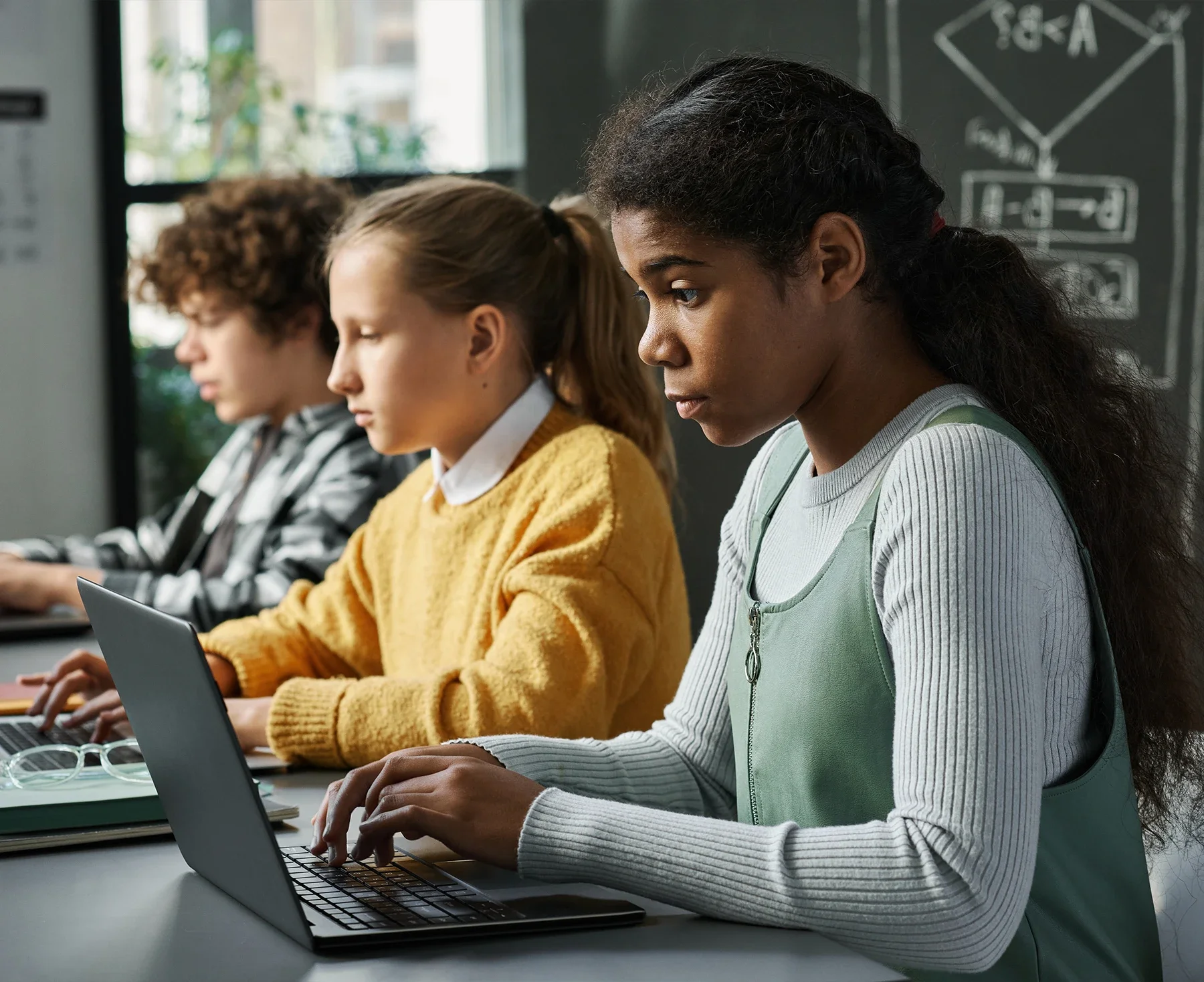
The American Interactive Games Institute (AIGI) expands access to hands-on STEM and STEAM learning through game design, programming, mentorship, and portfolio-building programs. Students learn by creating real projects that connect technical skills, creativity, and future opportunity.
The Opportunity Gap in Technology Education
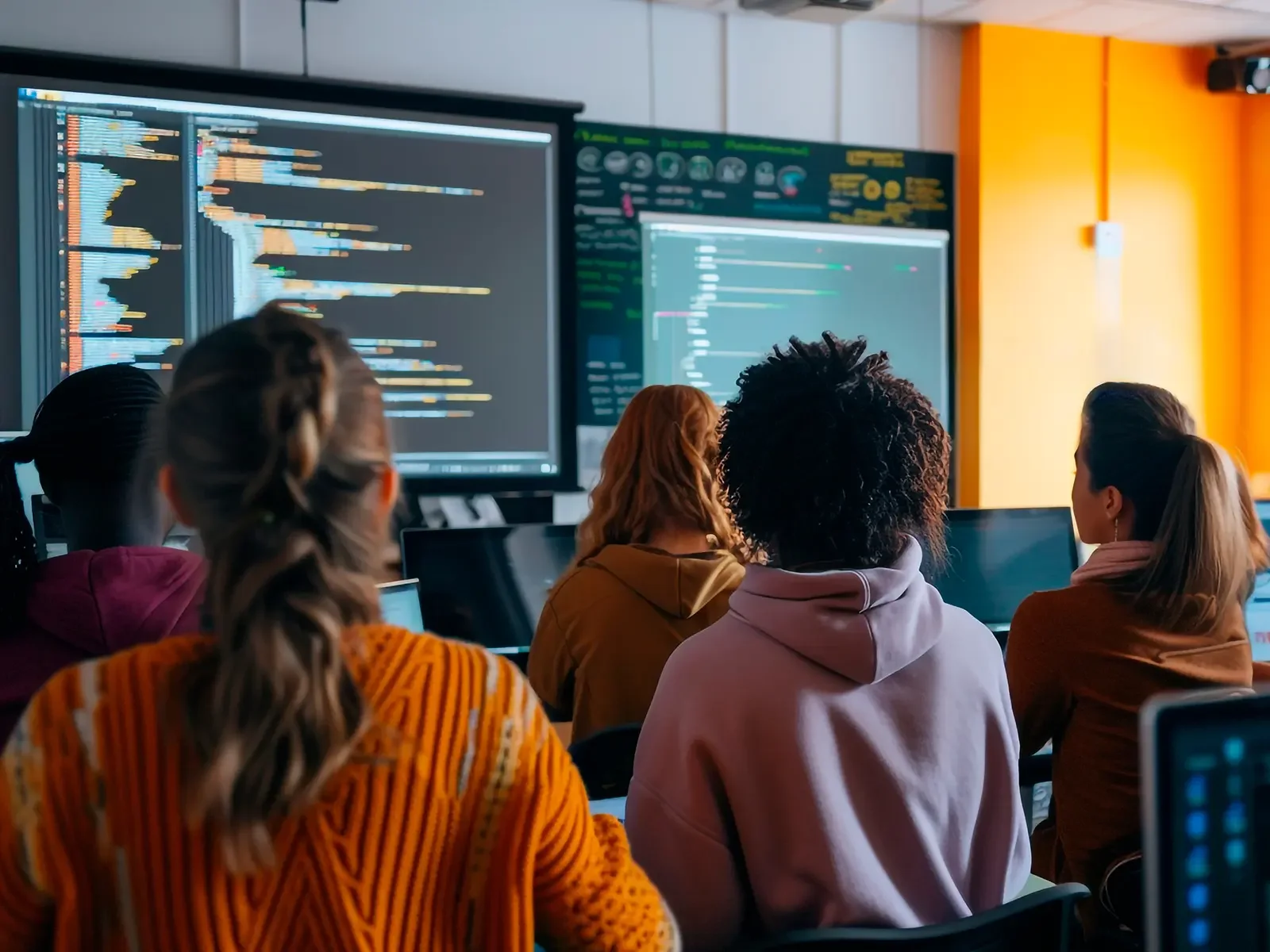
Many students are interested in technology but do not have access to the tools, mentorship, or project-based learning experiences that make those pathways feel possible.
Game development brings coding, design, storytelling, math, teamwork, and problem-solving into one hands-on learning experience. Instead of only completing assignments, students build playable projects, present their ideas, and create work they can continue developing over time.
Students from under-resourced schools often lack access to hands-on technology education
✓
Creative technology is rarely taught in ways that connect learning to real-world projects
✓
Learn more about our instructional approach in Our Model.
Who We Serve
Our programs support learners at different stages of education, with a focus on expanding access to creative technology pathways for those who need it most.

College & University Students
College and university students completing game development and interactive media projects as part of their academic programs. We support students in bringing publishable work to completion and building portfolios that prepare them for career pathways.
View student programs
Middle & High School Students
Middle and high school students ages 11–18 who are curious about game development, coding, and creative technology. Through hands-on, beginner-friendly programs, students build foundational skills, confidence, and early exposure to technology careers.
Explore learning pathways
Underserved Communities
Learners from communities with limited access to creative technology education, including schools and community organizations seeking equitable, high-quality STEM and STEAM opportunities through partnership-based program delivery.
How we work with communitiesOur Programs
Hands-on STEM and STEAM programs guiding students from foundational learning to real-world game development and creative technology careers.
 Flagship
Game Publishing & Production
Our flagship program supports college and university student teams in completing and publishing their game projects on major digital platforms, allowing students to experience the full production cycle.
Learn more about publishing programs Beginner
Summer Game Studio Intensives
Two week immersive STEAM summer programs where middle and high school students learn game design fundamentals, Unreal Engine basics, collaborative teamwork, and creative problem solving.
Learn more about summer programs Intermediate
After School Studio Core Cohorts
Meeting three afternoons per week over 12 weeks after school programs, where middle and high school students work in multi-disciplinary teams to develop complete game prototypes.
Learn more about after school programsHow Students Engage With Our Programs
What changes for students as they move from learning fundamentals to long-term career pathways.

Early Program Experience
Students are introduced to foundational technical skills
- Students build core coding and digital literacy skills
- Increased confidence in problem solving and communication
- Completion of portfolio-ready projects
Example outcome: Published portfolio-ready games

Program Progression
Students complete portfolio-ready projects
- Alumni pursue further education or technical training
- Students secure internships, apprenticeships, or early tech roles
- Professional networks expand through showcases and mentors
Example outcome: Foundational skills in game design and collaboration
Continued Pathways
Students pursue education or careers in tech fields
- Alumni employed in technology or creative industries
- Economic mobility for individuals and families
- Alumni reinvest as mentors and community leaders
Example outcome: Team-developed game prototypes
Our Approach to Learning
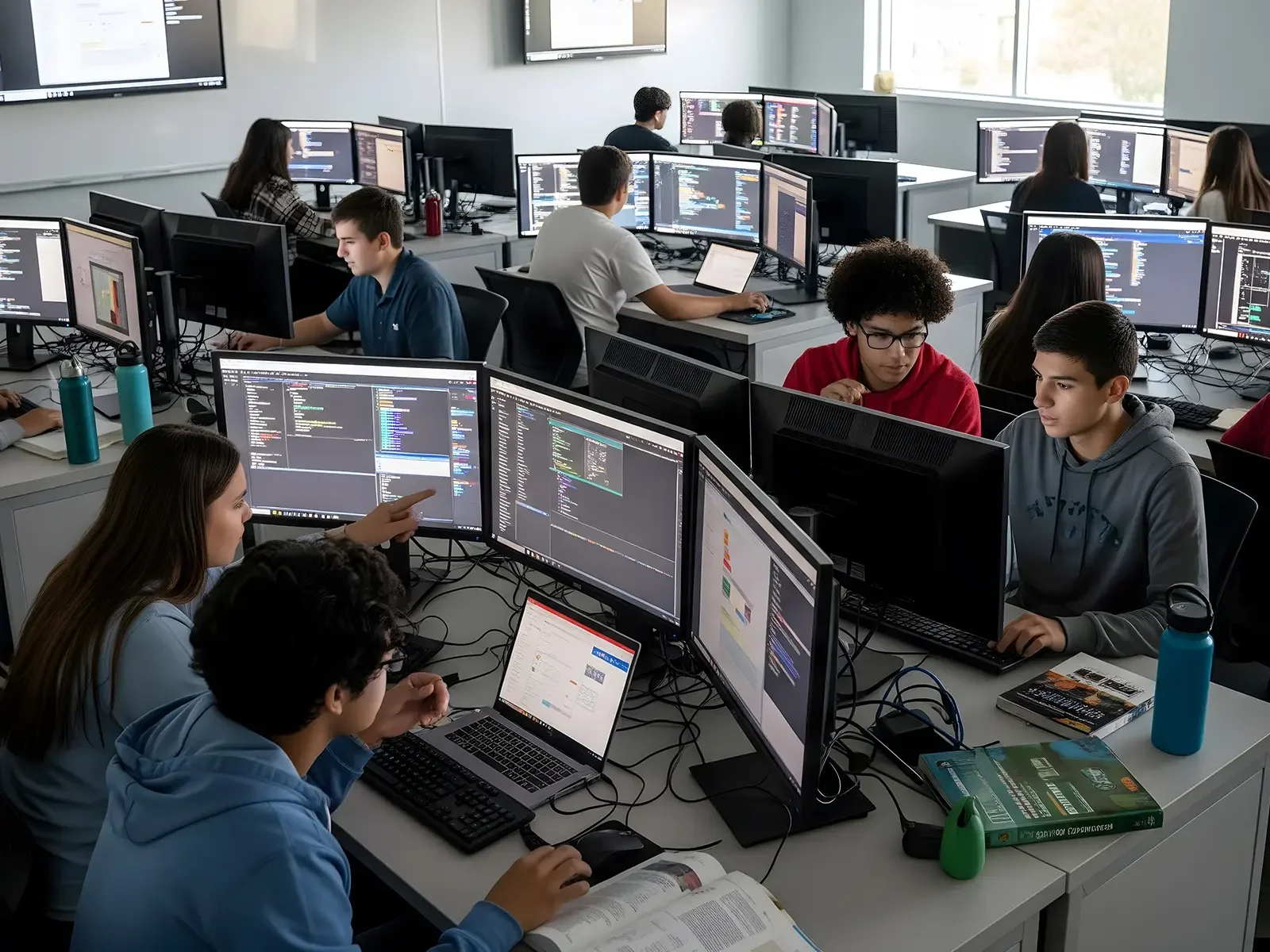
We use qualitative and project-based measures to understand how students grow, create, and apply their skills over time. Our evaluation approach focuses on what students can do, create, and pursue as a result of participating in our programs.
Student Portfolios
Quality and depth of student work demonstrated through completed projects and portfolios

Skills Development
Growth in technical and creative skills demonstrated through hands-on program work

Partner & Mentor Feedback
Feedback from parents, guardians, and industry mentors on student growth and engagement

Student Reflections
Student testimonials and self-reported learning, confidence, and engagement

How STEAM Becomes Real-World Skills
We integrate science, technology, engineering, arts, and mathematics into real-world game development projects where students design, build, and publish playable games.
Rather than teaching STEAM subjects in isolation, we bring them together through applied game development, enabling students to connect technical and creative learning to portfolio-ready work and long-term career growth.
From integrated STEAM disciplines to real-world skills and career advancement.
Support Our Students
Your support helps students turn integrated STEAM learning into real skills and career pathways.
 Powered by Stripe